Blinds vs curtains for daytime privacy: which works best?
Why daytime privacy is different from nighttime privacy
When the sun is up, the way light behaves through a window changes how much you can see inside. At night, a lit room against a dark outside means any uncovered window becomes a clear view into your home. During the day, the opposite is often true: the brighter exterior makes it harder to see in, but direct sunlight and glare create their own privacy problems. Choosing between blinds and curtains for daytime privacy means thinking about more than just blocking sight lines. You also have to manage how light enters the room, how much you want to see out, and how the window covering behaves at different times of day.
How blinds handle daylight
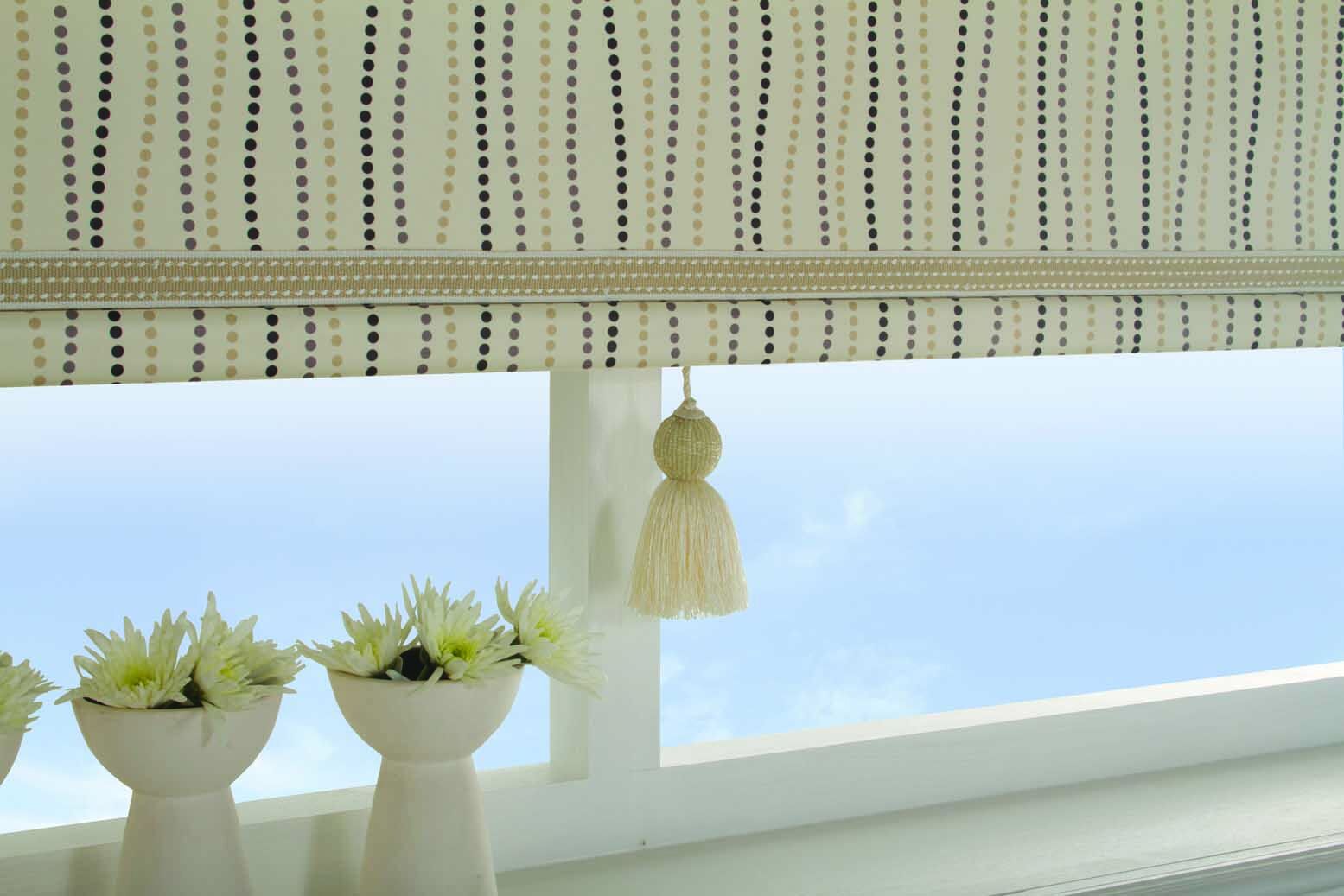
Blinds give you precise control over light and visibility. Venetian blinds, for example, let you tilt the slats to redirect sunlight upward or downward while still allowing some outward view. For daytime privacy, you can angle the slats so that passers-by cannot see directly into the room, but you can still see the sky and street below. This works well on ground floor windows where you want to avoid feeling boxed in. Roller blinds offer a different approach: pull them down partway to block the lower section of the glass while leaving the top open for light. Many people choose this setup for bedroom windows that face a busy road, because it hides the lower part of the room where daily activity happens.
The privacy level you get from blinds depends heavily on the fabric and lining. A standard white roller blind lets some light filter through, creating a soft glow that obscures detail. For stronger daytime privacy, you can choose a blackout lining that stops almost all light from passing through. The trade-off is that you lose the view entirely when the blind is fully lowered. Solar glare can also be an issue: on bright days, a light-coloured blind can reflect glare back into the room, making it harder to see screens or read. Darker fabrics absorb more light but may heat up the room. The key is matching the blind type and fabric to how you use the space during the day.
How curtains perform in daylight
Curtains offer a softer, more uniform look, but their daytime privacy depends on fabric weight and how they are hung. A sheer voile curtain lets in plenty of natural light while diffusing the view from outside. On a bright day, someone standing at the window might see only vague shapes and movement. This can be enough for privacy in a room that does not face directly onto a footpath. However, sheers are less effective when the light outside fades. As the sun moves round and the room becomes brighter than the outside, the sheer fabric becomes more transparent. That is why many homes combine sheers with a heavier curtain for flexibility.
Thicker curtain fabrics, such as velvet or lined cotton, block light very effectively and provide strong privacy when drawn. But during the day, fully closed curtains make a room feel dark and closed off, which many people do not want. Partially drawn curtains can create gaps at the sides or top, and if the fabric does not meet in the middle, there is a clear sight line for anyone outside. Curtains also tend to be either fully open or fully closed, with less in-between adjustment than blinds offer. If you want to control light and privacy gradually throughout the day, curtains can feel limiting.
Comparing control and flexibility
The biggest practical difference between blinds and curtains for daytime use is the degree of fine adjustment. Blinds allow you to tilt, raise, or lower individual sections. A venetian blind tilted upward gives privacy while still letting in top light. A vertical blind can be rotated to direct light away from a seating area. This kind of control is especially useful in rooms with multiple windows or different window orientations. For a south-facing bedroom window that gets strong afternoon sun, you might tilt the slats to cut glare without losing all daylight.
Curtains, by contrast, are simpler but less precise. You can pull them to different widths, but the fabric either covers the glass or it does not. Gathers and folds can leave gaps, especially at the top where the curtain hangs from the track. For ground floor rooms where you want privacy without losing daylight, you would need to keep the curtains drawn most of the time, which defeats the purpose of having a view. This is why many homeowners choose a layered approach: blinds for the main light control and curtains for decoration and extra insulation at night.
Light filtering versus blackout: what suits daytime use
For daytime privacy, light filtering is often more useful than full blackout. You want to see out and let light in, but prevent people from seeing in. A blind made from a semi-opaque fabric or with a light-filtering coating can achieve this balance. Blackout lining is better suited to rooms used for sleep, where total darkness is needed during the day, such as a nursery or a shift worker's bedroom. In a living room or kitchen, a blackout blind kept down all day would feel oppressive.
Curtains with a light-filtering lining offer a middle ground. They soften incoming light and reduce the clarity of the view from outside, but they do not stop all light. The effect is similar to a dimmer switch for daylight. The downside is that when the sun is low and shining directly onto the window, the fabric can become translucent. At that point, the privacy level drops sharply. Blinds with adjustable slats handle this better because you can change the angle as the sun moves.

Window orientation and the time of day
The direction your window faces has a big impact on how well blinds or curtains work for daytime privacy. A north-facing window gets softer, more even light throughout the day. Here, sheer curtains or a light-filtering blind can provide good privacy without needing much adjustment. A south-facing window gets strong direct sunlight from mid-morning to late afternoon. In that situation, a blind with reflective slats or a roller blind with a solar-reflective coating can reduce glare and heat while still offering privacy. East-facing windows are brightest in the morning, when the low sun can shine directly into the room. Tilting a venetian blind upward at that time blocks the direct beam while letting in ambient light. West-facing windows catch the late afternoon and evening sun, when many people are returning home. A blind that can be adjusted as the sun moves gives you privacy without forcing you to shut out the last of the daylight.
For a bedroom window that faces a busy street, the choice often comes down to how much you value the view. If you want to see the garden or the street without feeling watched, a top-down/bottom-up blind is a good solution. You lower the top half to let in light and raise the bottom half to cover the lower section of the glass. Curtains cannot offer this kind of split control. That is one reason why many homes in Derbyshire and nearby areas, where streets can be narrow and houses close together, choose blinds for their front rooms. A local supplier like peakblinds.co.uk can advise on suitable fabrics and mechanisms for different window orientations, though the final decision depends on your own needs.
Practical considerations for installation and use
Both blinds and curtains have practical pros and cons beyond privacy. Blinds are generally easier to keep clean, since you can wipe slats or roller fabrics with a damp cloth. Curtains need to be taken down and washed or dry-cleaned, which is more effort. Blinds also take up less space around the window, so they work well in rooms with limited wall space or where you want to keep the window frame visible. Curtains add a softness and can help with sound absorption and draught proofing, but they require more clearance and a sturdy curtain pole or track.
If you rent your home, blinds are often easier to install and remove without damaging the wall or window frame. Many modern blinds come with tension brackets that avoid drilling into masonry. Curtains need a pole or track that is screwed into the wall, which may not be allowed in some rental agreements. For ground floor flats or houses where privacy is a concern from day one, blinds give you a quick, effective solution without a big installation job.
Making the choice for your home
There is no single right answer for every room. Blinds offer more control over light and privacy during the day, with options to fine-tune the balance between seeing out and being seen. Curtains provide a softer look and better insulation, but they are less flexible for daytime adjustment. If you spend a lot of time in a room during daylight hours and want to keep the view, blinds are usually the better choice. If you prefer a cosy, draped feel and do not mind drawing the curtains for privacy, then curtains can work well, especially when combined with a separate blind underneath.
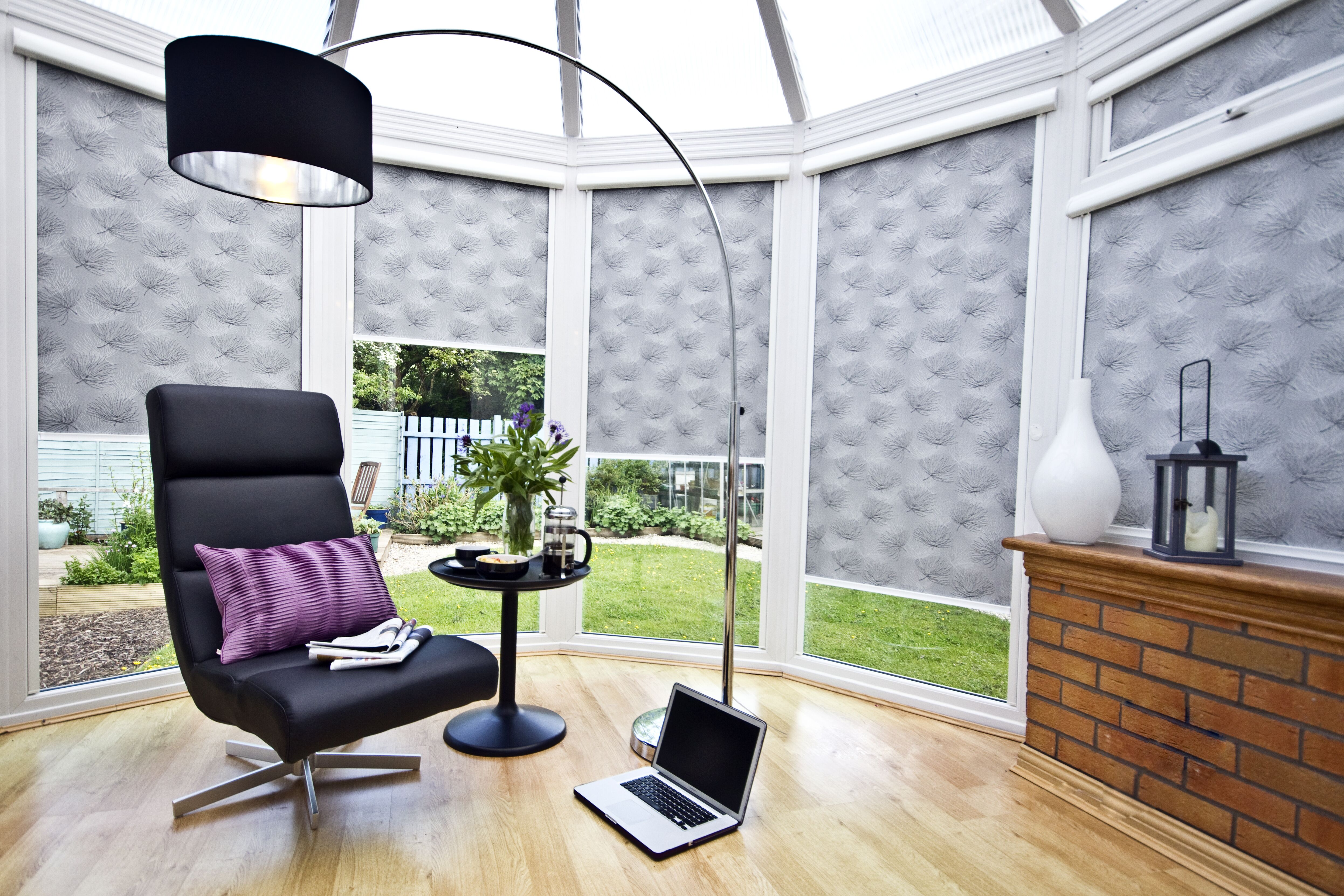
For many homeowners, the best daytime privacy comes from a combination of both. A roller blind with a light-filtering fabric behind a decorative curtain gives you the option of lowering the blind for privacy while keeping the curtain open for light. Or a venetian blind on its own, properly adjusted throughout the day, can give you all the privacy you need without any extra fabric. The right choice depends on your room's orientation, how you use the space, and whether you prioritise view, light, or total privacy at different times.
If you are unsure which blind style suits your windows, a specialist like peakblinds.co.uk can help you compare options for your specific layout. Daytime privacy does not have to mean shutting out the world. With the right window covering, you can enjoy natural light and a clear view, while keeping your home exactly as private as you want it.